
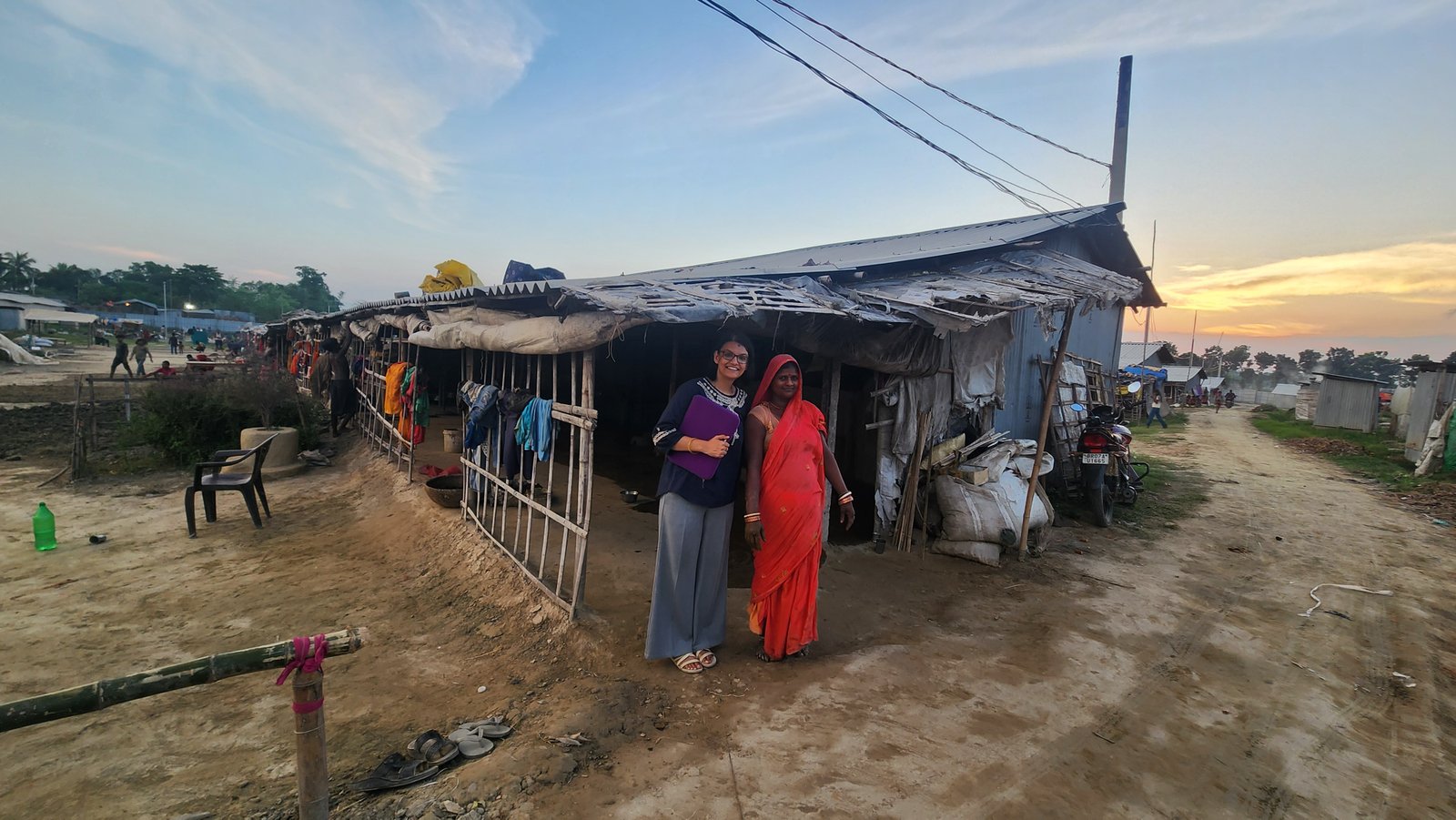
From the Heart of Rural Bihar: The Women Who Inspired Us
When I first visited the Makhana-growing Seemanchal regions of Bihar, my objective was simple—to understand the product, its journey, and the people involved in bringing it to market. I met farmers, farming communities, traders, processors, and many women who form the backbone of the Makhana ecosystem.
What I witnessed during those visits stayed with me long after I returned. As I walked through the villages and spent time at the fodiwalas, I observed women, along with their family members, deeply engaged in the preparation of Lava or Makhana. I experienced how, hour after hour, the women workers carefully sorted, cleaned, graded, dried, and handled every batch of Makhana with remarkable patience and precision.The work was repetitive and demanding, often carried out in challenging conditions with limited resources. Yet, there was a sense of dedication in every task they performed.
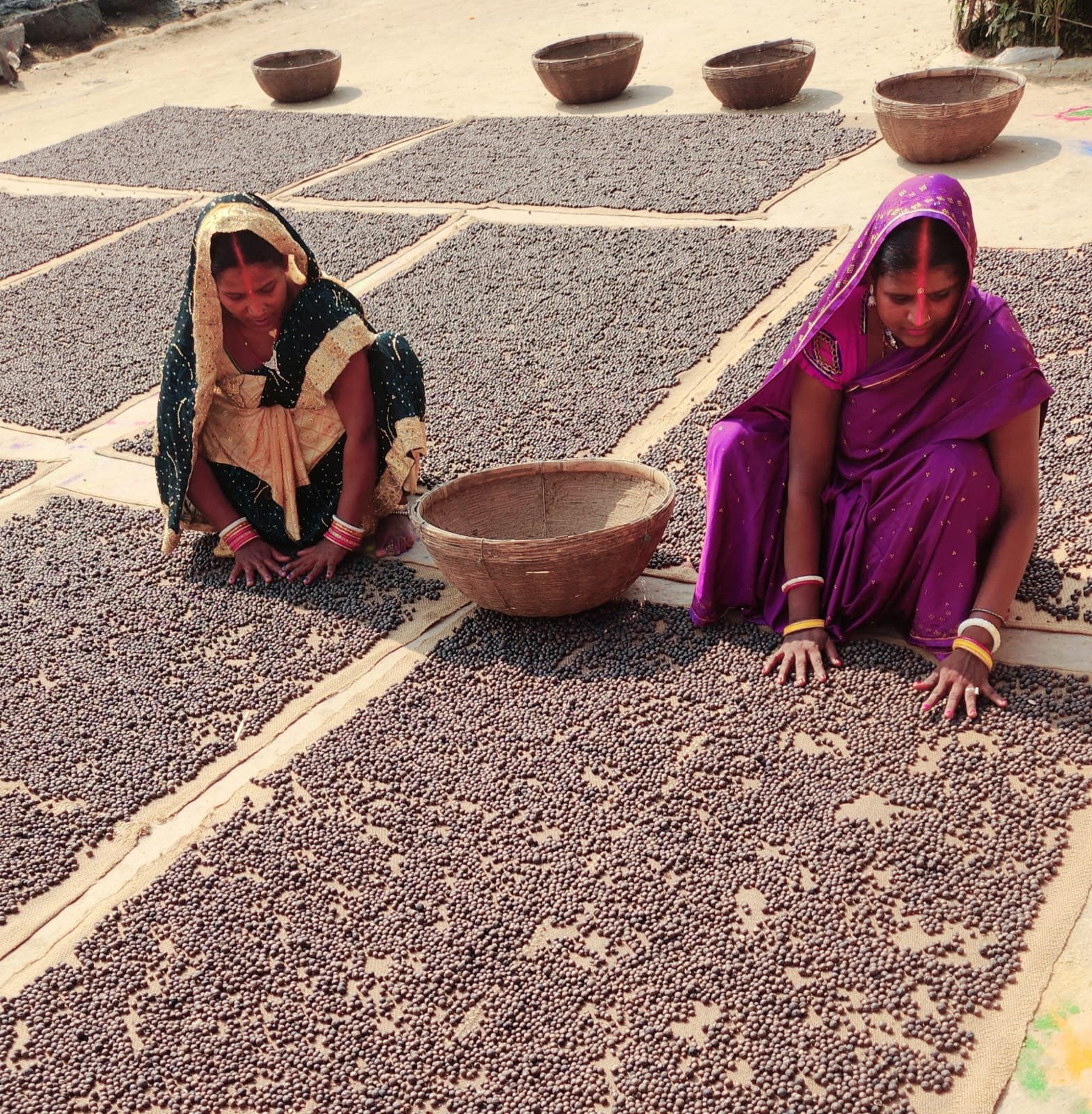
A sense of Pride.
What left the deepest impression on me was not just their hard work, but their spirit. I still remember sitting with them, listening to their stories between work. Every conversation was filled with warmth, simplicity, and hope. They spoke proudly about their families, their children's education, and their dreams for a better future. Yet, beneath those aspirations was a challenge that many of them carried quietly.
Because of the nature of their work, several families move from one region to another in search of earning opportunities. Many women shared their concern that this constant movement often disrupts their children's education. Some worried that their children were unable to attend school regularly, while others wondered how they could provide the stability needed for their children's learning and growth.
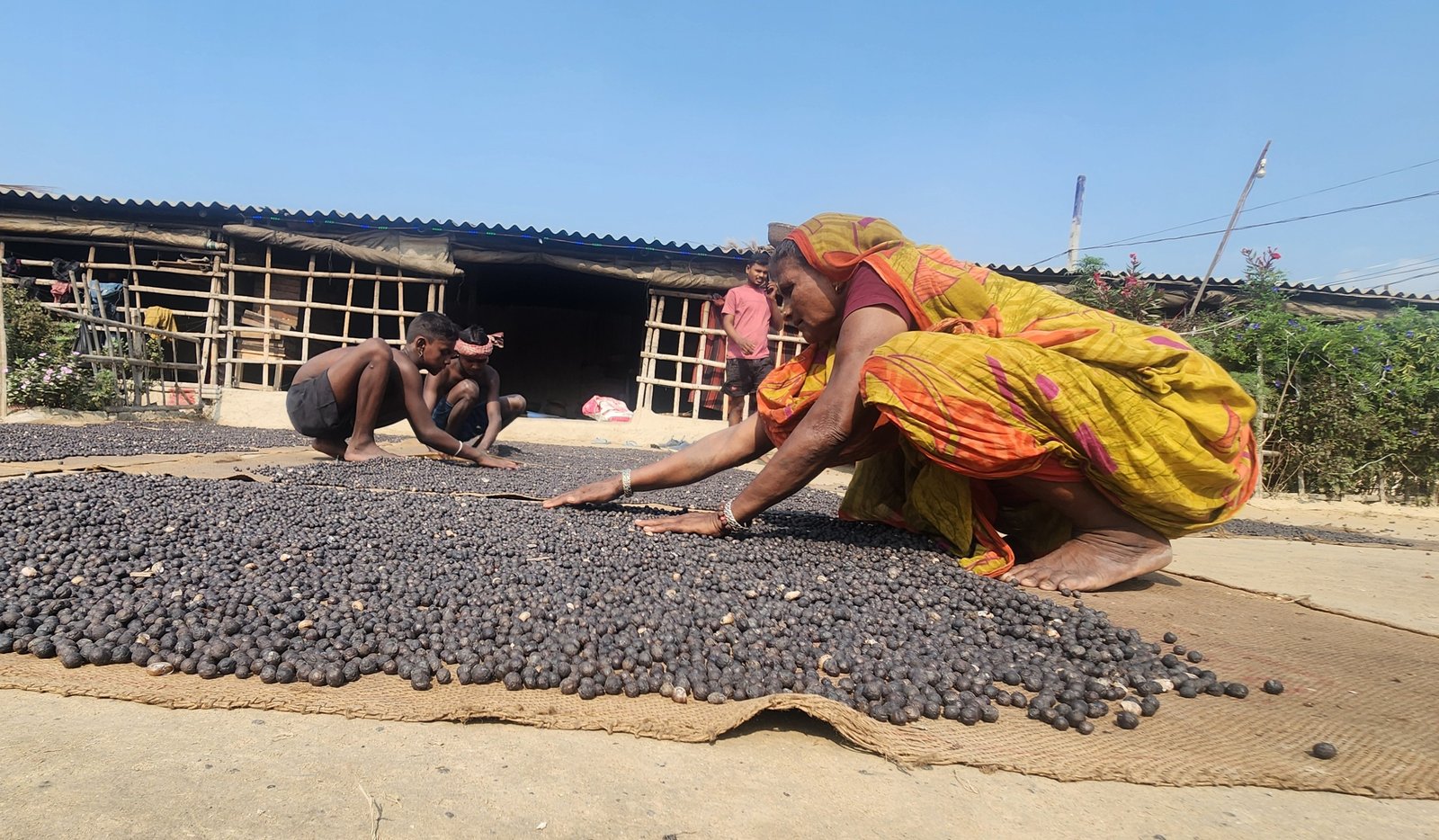
Makhana Processing…a generational skill
At the same time, there was another side to their concern. Makhana processing is not just a livelihood for them—it is a skill passed down through generations and the foundation of their family's survival. Many women expressed a desire for their children to learn and preserve these traditional skills so that the knowledge and craftsmanship of their community would not be lost. They wanted their children to have access to education and broader opportunities, yet they also hoped that the legacy of their work would continue.
Listening to them, I was struck by the balance they were trying to achieve—between preserving a generational livelihood and creating a different future for their children. Their aspirations were not simply about earning more; they were about ensuring dignity, opportunity, and continuity for the generations that would follow them.
Standing among these women, I realized that they were much more than workers in a supply chain. Behind every handful of Makhana was a story of resilience, skill, and perseverance. They possessed immense potential that often goes unnoticed, despite the critical role they play in this ecosystem.
That experience became one of the key inspirations behind Roots Mantra.
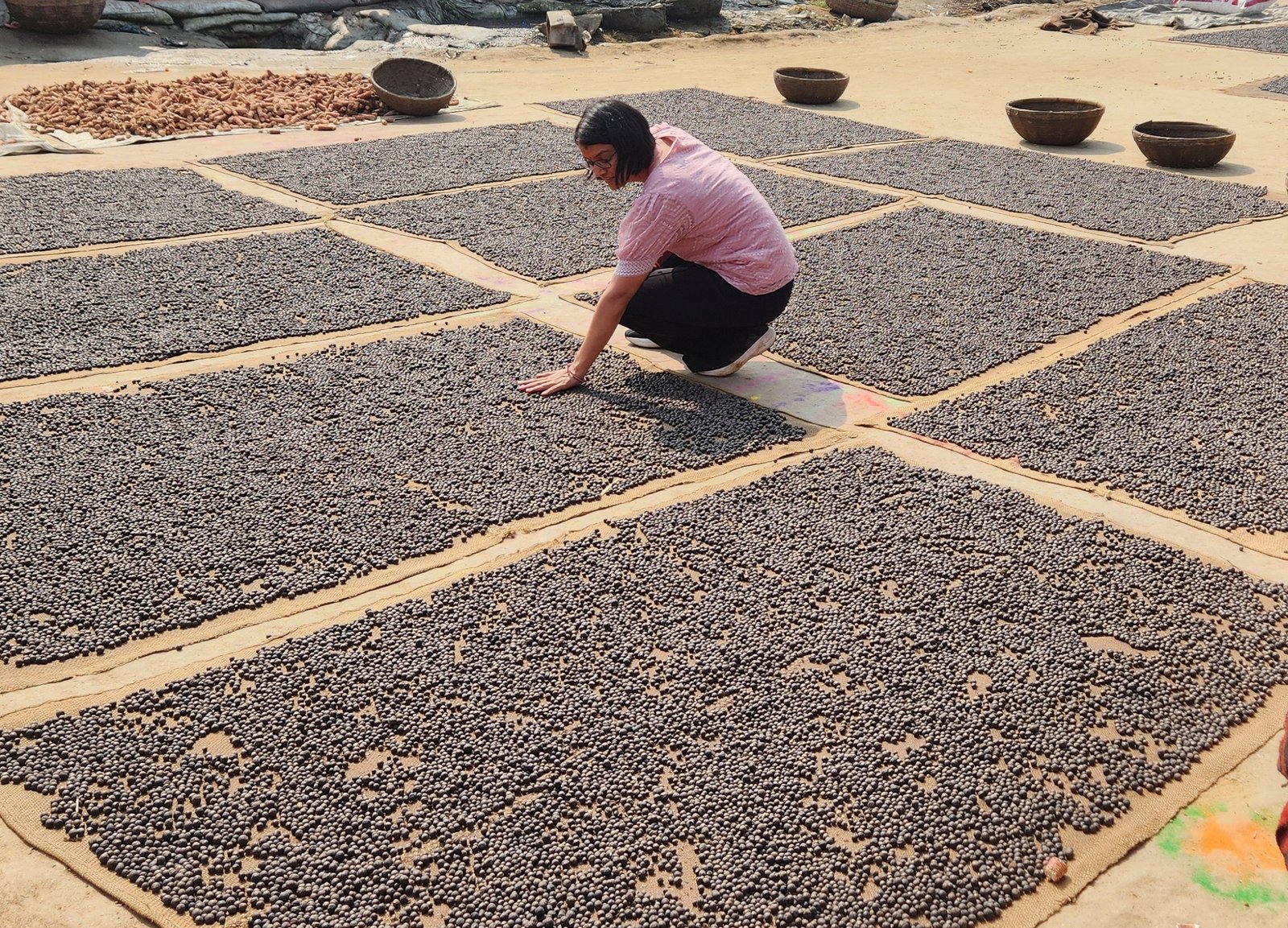
Realization of their efforts
From that day onward, our vision evolved beyond sourcing and selling premium Makhana. We began asking ourselves deeper questions: How could our growth create meaningful opportunities for rural women? How could we help them participate more actively in value creation? How could we support skill development, financial independence, and entrepreneurship at the grassroots level?
These questions eventually led to the idea of supporting women communities—an initiative rooted in the belief that empowering women is not about charity. It is about creating opportunities, recognizing capabilities, and building sustainable livelihoods.
The women of rural Bihar did more than help us understand Makhana.
They helped us understand our purpose.
As Roots Mantra grows, we remain committed to ensuring that the communities behind our products—especially the women who contribute so much to this ecosystem—grow along with us. Our goal is not only to bring the finest Makhana to consumers but also to create pathways for empowerment, learning, and sustainable growth within the communities that make it possible.